Knife Manufacturer RFQ Guide: Specs, Samples, QC, and Quote Comparison
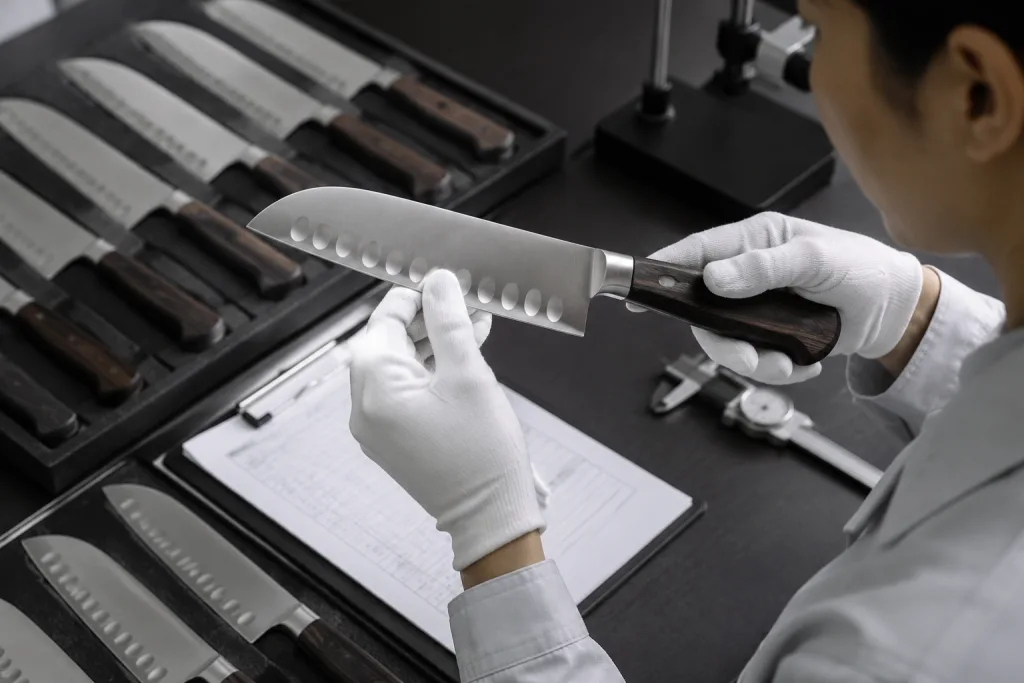
Knife Manufacturer RFQ Guide: Specs, Samples, QC, and Quote Comparison
A knife manufacturer RFQ should help suppliers quote the same product scope. It should define the knife category, blade requirements, handle requirements, sample approval process, packaging scope, inspection criteria, logistics assumptions, and commercial terms.
This guide is written for buyer-side RFQ preparation. It can support wholesale, private label, OEM, ODM, and custom knife sourcing projects where buyers need comparable supplier responses.
Evidence Boundary
The cited sources are used as topic support, not as proof that any supplier can meet a requested specification. LeeKnives discusses B2B knife manufacturing topics, including quality consistency, lead time, MOQ, customization, blade steels, hardness ranges, and packaging LeeKnives. TOP KNIVES covers supplier identity, official contact paths, RFQ preparation, OEM/ODM sourcing, brand relationship checks, and search-result verification TOP KNIVES. Ruihalo covers knife handle material choices for B2B buyers, including G10, Micarta, wood, and performance considerations Ruihalo. TradeWheel presents a kitchen knives buyer directory with RFQ-style buying activity TradeWheel.
Do not infer supplier capability, certification status, delivery performance, pricing, product quality, or compliance from those citations. Confirm those items through supplier responses, approved samples, inspection records, and documents required for the destination market.
1. Confirm Supplier Channel and Project Fit
Before sending drawings or technical files, confirm that the discussion is taking place through the supplier contact path the buyer intends to use. TOP KNIVES identifies official contact paths, RFQ preparation, OEM/ODM sourcing, brand relationship verification, and search-result verification as buyer topics TOP KNIVES.
Include this pre-RFQ information:
- Buyer company name and contact role
- Official buyer email and preferred communication channel
- Target market and destination country
- Sales channel, such as retail, e-commerce, distributor, hospitality, corporate gifting, or professional supply
- Project type, such as wholesale, private label, OEM, ODM, or custom development
- Knife category and intended use
- First order quantity, reorder estimate, and annual estimate if known
- Required sample quantity
- Target delivery window or launch date
- Packaging, labeling, barcode, and carton requirements
- Destination-market documents required by the buyer, if applicable
Keep supplier qualification questions separate from product specification questions. That makes it easier to compare qualified suppliers against the same RFQ scope.
2. Define the Knife Category Before Materials
Start with the knife category, use case, target buyer, and sales channel. Then define the blade, handle, packaging, and inspection requirements around that product brief.
| RFQ Field | Buyer Input | |---|---| | Knife category | Chef knife, santoku, cleaver, paring knife, pocket knife, fixed blade, hunting knife, utility knife, or other specified type | | Intended use | Kitchen prep, outdoor use, field use, food service, retail gift set, display set, or general utility | | Target buyer | Value, mid-market, premium, professional, private label retail, corporate gifting, or distributor program | | Main quality risk to control | Corrosion, edge damage, loose handle, weak lockup, poor sharpness, finish inconsistency, packaging damage, or dimensional variation | | Accessories | Sheath, guard, edge cover, gift box, tray, pouch, insert, barcode label, or carton label |
LeeKnives identifies customization areas that include blade finishes, handle materials such as G10, Micarta, and wood, and packaging LeeKnives. Put these choices in the RFQ before requesting price so each supplier is quoting the intended product scope.
3. Specify the Blade in Measurable Terms
Attach drawings, CAD files, reference samples, photos, or a technical pack when available. If formal drawings are not available, define the measurable fields below.
Blade fields to include:
- Blade type and profile
- Blade length, total length, and measurement units
- Blade thickness at the spine and any other controlled points
- Steel grade or approved steel alternatives
- Target HRC range
- Heat treatment requirement, or request for a supplier-proposed process
- Grind type, such as flat, hollow, convex, saber, scandi, chisel, or another specified grind
- Edge angle, stated per side or inclusive
- Edge finish, such as factory sharpened, honed, polished, toothy utility edge, or unsharpened sample blank
- Surface finish, such as satin, bead blast, stonewash, polish, coating, etched pattern, or sample-matched finish
- Marking method, such as laser mark, etch, stamp, no mark, or buyer-provided artwork
- Logo size, placement, and artwork file format
- Controlled dimensions and tolerances for fit, function, appearance, and packaging
LeeKnives presents blade steel selection, hardness ranges, customization, and packaging as B2B manufacturing topics LeeKnives. For RFQ purposes, treat steel grade, HRC range, blade finish, and price tier as connected quote inputs.
Avoid vague terms such as best steel, premium sharpness, or high quality finish. Replace them with steel grades, HRC ranges, approved samples, finish references, tolerance ranges, and inspection criteria.
4. Specify Handle, Assembly, and Ergonomics
Ruihalo focuses on handle material choices for B2B buyers, including G10, Micarta, wood, and performance considerations Ruihalo. Convert handle decisions into RFQ fields that can be quoted, sampled, and inspected.
| RFQ Field | Buyer Input | |---|---| | Material | Wood, G10, Micarta, plastic, stainless steel, aluminum, rubberized material, composite, or buyer-specified alternative | | Finish | Smooth, matte, polished, textured, bead blasted, oil-finished, coated, sealed, or sample-matched | | Geometry | Palm swell, finger grooves, straight profile, tapered profile, hidden tang, full tang, frame, scales, or molded construction | | Texture | Light, medium, aggressive, patterned, or approved sample reference | | Attachment method | Rivets, screws, adhesive, molded over tang, welded construction, or supplier-proposed method | | Hardware | Screw type, rivet type, spacer, bolster, guard, end cap, material, and finish | | Color | Pantone, physical swatch, color range, or approved sample | | Fit tolerance | Handle-to-tang flushness, gap allowance, alignment, and symmetry | | Use environment | Wet kitchen, outdoor field use, marine exposure, dishwasher exposure if applicable, or dry retail use |
Ruihalo describes G10 as a high-pressure fiberglass laminate made from fiberglass fabric and epoxy resin, and lists properties including moisture resistance, UV and heat resistance, chemical resistance, light weight, and the ability to take aggressive grip texture Ruihalo. If requesting G10, specify thickness, color, texture, machining pattern, chamfer, and hardware.
For wood handles, define species or acceptable alternatives, color range, finish, stabilization requirement if applicable, and whether natural variation is acceptable.
5. Include Packaging, Labeling, and Freight Inputs
Packaging should be quoted with the product instead of added after sampling. Include enough detail for the supplier to price the unit pack, carton pack, protection method, and labeling work.
Packaging fields to include:
- Unit packaging, such as sleeve, edge guard, sheath, blister, color box, rigid box, tray, pouch, bulk wrap, or knife set package
- Artwork responsibility, such as buyer supplied, supplier prepared for approval, or plain packaging
- Label requirements, such as SKU, barcode, country-of-origin marking, warning label, care instruction, retailer label, or carton label
- Insert requirements, such as manual, warranty card, safety note, care card, or promotional insert
- Carton packing, including units per inner box, units per master carton, carton strength, and pallet requirement if any
- Product protection, such as edge protection, tip protection, moisture protection, divider, insert tray, or foam requirement
- Logistics fields, including destination country, preferred trade term, forwarder details if available, target ship date, carton dimensions, gross weight, and net weight estimate
Ask for estimated carton dimensions and gross weight in the quotation so freight can be compared before supplier selection.
6. Set Sample Approval Gates
Define the sample path before production. Each sample stage should answer a specific buying question.
| Sample Stage | What It Should Confirm | |---|---| | Material and finish sample | Steel option, handle material, color, blade finish, surface texture, and logo method | | Functional prototype | Dimensions, ergonomics, blade profile, assembly behavior, balance, and basic handling | | Pre-production sample | Final construction, finish, marking, packaging, accessories, and label placement | | Golden sample | Approved reference for mass production and inspection comparison |
For each stage, state who approves the sample, what must be checked, how changes are recorded, and whether approval is required before the next stage.
7. Define Inspection Criteria Before Production
Inspection criteria should be visible before the order is placed. Include measurable criteria, visual criteria, and defect classifications.
Measurable inspection items can include:
- Blade length
- Total length
- Blade thickness
- Handle thickness
- Product weight
- HRC range
- Edge angle
- Handle-to-tang gap
- Logo placement
- Carton weight
- Carton dimensions
Visual inspection items can include:
- Scratches
- Stains
- Discoloration
- Burrs
- Uneven bevels
- Poor logo placement
- Handle cracks
- Glue overflow
- Coating defects
- Packaging dents
- Missing accessories
- Mismatched labels
Use defect classes in the RFQ:
| Defect Class | Buyer Definition | |---|---| | Critical | Unsafe, restricted for the destination market, or not sellable under the buyer requirement | | Major | Affects function, assembly, appearance, packaging readiness, or retail acceptance | | Minor | Cosmetic or presentation issue allowed only within the agreed inspection limit |
Attach the buyer QC checklist if one exists. If not, ask the supplier to propose an inspection checklist for buyer approval.
8. Compare Knife Manufacturer Quotes on the Same Basis
A quote comparison table should separate technical scope from commercial terms. Use the same structure for every supplier response.
| Decision Area | Specify In RFQ | Ask Supplier To Confirm | Evidence To Request | |---|---|---|---| | Product category | Knife type, use case, target user, sales channel | Same category and use assumptions | Similar sample photos or drawing review | | Blade steel | Exact grade or approved alternatives | No substitution unless approved | Material declaration or equivalent proposal | | Hardness | Target HRC range | Inspection method and acceptable range | Sample test plan or batch record format | | Geometry | Length, thickness, grind, edge angle, tolerances | Measurement method and tolerance acceptance | Drawing, sample, or measurement report | | Handle | Material, texture, color, attachment method, ergonomic details | Material source, construction, and finish | Material swatch or assembly sample | | Finish and logo | Blade finish, mark method, location, artwork format | Finish process and logo proof process | Finish sample and marking proof | | Packaging | Unit pack, insert, label, carton, protection | Artwork scope and carton assumptions | Dieline, packaging sample, carton data | | Samples | Sample quantity, sample stages, approval gate | Sample lead time and cost | Written sample schedule | | MOQ and lead time | Pilot quantity, mass production quantity, reorder estimate | MOQ, production lead time, quote validity | Written quotation | | Inspection | Defect classes, QC checklist, approval sample | Accepted criteria or technical exceptions | QC checklist and inspection photos | | Logistics | Destination, trade term, carton size, weight | Export packaging and shipment readiness | Packing list template or carton estimate |
A supplier response should identify assumptions, exclusions, suggested alternatives, and any changes from the original RFQ. TradeWheel's kitchen knives buyer directory shows RFQ-style buying activity in this product area, which reinforces the need for structured buying requests when comparing supplier responses TradeWheel.
9. Buyer RFQ Checklist
Use this checklist before sending the RFQ.
- [ ] Buyer company name, contact person, and official email are included
- [ ] Supplier contact path has been checked
- [ ] Project type is identified as wholesale, private label, OEM, ODM, or custom development
- [ ] Product category and intended use are defined
- [ ] Target market, destination country, and sales channel are stated
- [ ] Drawing, CAD file, reference sample, or photo reference is attached when available
- [ ] Blade profile, blade length, total length, and thickness are specified
- [ ] Steel grade or approved steel options are listed
- [ ] Target HRC range is included
- [ ] Grind type and edge angle are specified
- [ ] Blade finish and logo method are defined
- [ ] Handle material, color, texture, shape, and attachment method are specified
- [ ] Hardware, bolster, guard, spacer, sheath, or accessories are listed where applicable
- [ ] Packaging type, artwork status, labels, and carton requirements are included
- [ ] Sample quantity and sample approval process are defined
- [ ] First order quantity, reorder quantity, and annual estimate are included if available
- [ ] Destination country and preferred trade term are included
- [ ] Inspection standard, defect classes, or buyer QC checklist is attached
- [ ] Required destination-market documents are requested where applicable
- [ ] Target price range is stated if it is a real buying constraint
- [ ] Target delivery window and launch deadline are included
- [ ] Supplier is asked to list assumptions, exclusions, substitutions, and suggested alternatives
10. Follow Up on Quote Gaps
Before approving samples, ask follow-up questions when a quote is incomplete or changes the scope.
Common follow-up triggers:
- Steel grade is missing or substituted
- HRC range is not stated
- Handle material is described only by color
- Logo method or artwork cost is missing
- Packaging is excluded or described vaguely
- MOQ, sample lead time, production lead time, or quote validity is missing
- Tooling, mold, setup, artwork, or sample fees are not separated from unit price
- Inspection criteria are not accepted or not discussed
- Carton dimensions and gross weight are unavailable
- Supplier does not identify assumptions or exclusions
A strong knife manufacturer RFQ does not need to be longer than necessary. It needs to be comparable: one product scope, one sample approval path, one inspection basis, and one commercial structure for evaluating each supplier response.