Knives Price Factors: Technical Specs and B2B RFQ Checklist
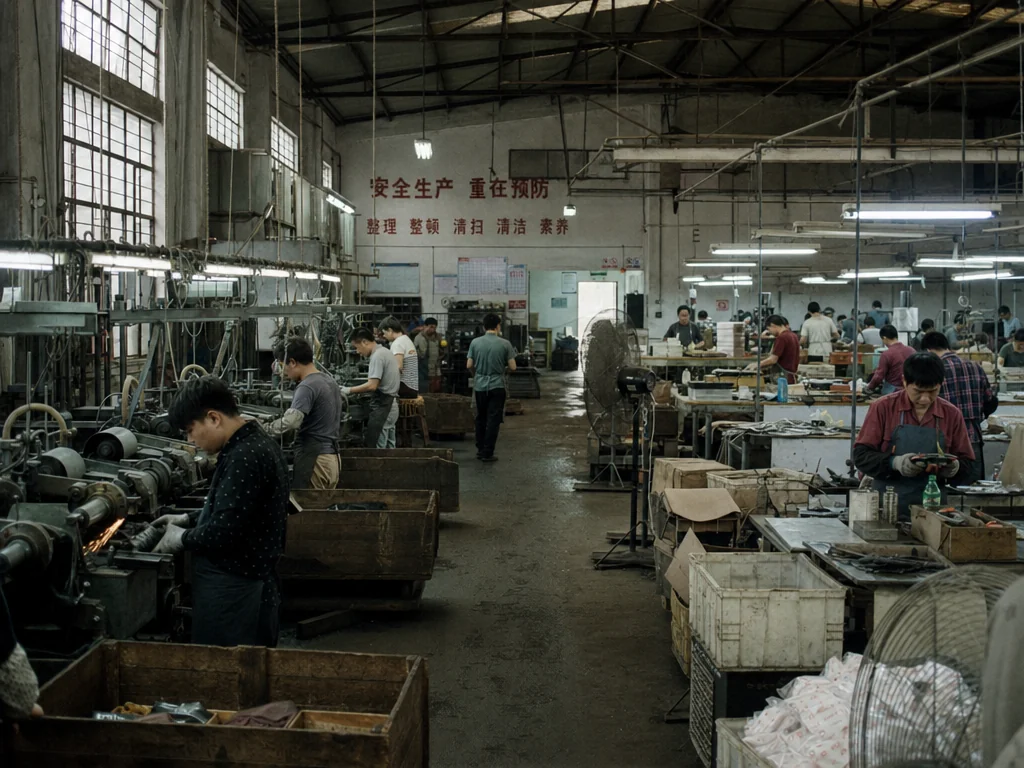
Knives Price Factors: Technical Specs and B2B RFQ Checklist
**By Vincent Xi, Editorial Author**
For importers, private-label brands, and retail buyers, **knives price factors** are not a single line item. Unit cost stacks technical choices—steel grade, heat-treatment route, grind geometry, handle system, surface finish, packaging, inspection depth, and order volume—with commercial terms that only appear when the RFQ is complete.
This guide supports specification-led B2B sourcing, not retail price shopping. It does not publish fixed factory prices or proprietary test results. It maps the cost drivers that routinely move OEM/ODM quotes, then turns them into a decision table and a line-by-line RFQ checklist.
**What you can do with this page**
- Identify which specs change conversion cost versus material cost alone
- Force suppliers to price the same drawing, QC plan, and packaging BOM
- Separate tooling amortization, packaging, and inspection from the headline unit price
Market scale context: why volume and hub structure matter
China is a major global knife manufacturing base by published trade volume. A B2B Chinese knife manufacturer sourcing guide citing OEC World reports that China exported **USD 1.66 billion** of knives in **2024**, equal to **51.5% of global knife exports** (Lee Knives sourcing guide). The same guide, citing IndexBox (**2025**), reports total production of knives, scissors, and blades at **2.9 billion units**, up **8% year over year** (Lee Knives sourcing guide).
Regional concentration also shapes quote structure. The same guide reports that Yangjiang’s knife and hardware industry exceeded **55 billion RMB** in output value in **2024**, with Yangjiang-made products accounting for **eight of every ten knives** China exports, and local industry estimates of about **70% of China’s knife output** and **85% of knife exports** (Lee Knives sourcing guide). Those figures do not set a buyer’s unit price. They help explain why tooling amortization, material buying power, and process specialization can differ between hubs and between high-volume versus craft-oriented suppliers.
**How these data were used:** export, production, and hub figures provide industry context for capacity and specialization—not proof of any one factory’s price list, lead time, or quality level. Validate process control, steel mill certificates, and inspection method against your RFQ.
Core technical specifications that drive knives price factors
1) Blade steel and material form
Steel is usually the first controllable cost lever. Price pressure rises when a program moves from common stainless grades to higher-alloy stainless, tool steels, powder metallurgy steels, laminated constructions, or Damascus-style billets. Cost also changes with stock form (coil/strip vs. plate vs. pre-cut blanks), thickness tolerance, and scrap rate from the chosen manufacturing route.
A custom-knives manufacturer overview separates production into steel preparation, forging or stock removal, heat treatment, grinding/finishing, and assembly (BiliKnife process overview). For RFQs, do not stop at a marketing steel name. Specify:
- Exact grade and preferred standard designation (and whether equivalents are allowed)
- Blank/stock form and thickness/width tolerance
- Hardness target range after temper (with units, e.g., HRC)
- Corrosion and edge-retention expectations by use environment
- Whether mill certificates or heat-lot traceability are required
**Example calculation (assumption to verify in the supplier quote):** if a blank costs more by **USD 0.40–1.20 per piece** after a steel upgrade, and scrap/rework rises by **2–4%** on a **5,000-piece** run, total program cost impact is not only the steel delta; it includes yield. Ask the supplier to show scrap assumptions, not only finished-unit price.
2) Heat treatment and metallurgical control
Heat treatment is often under-specified and over-assumed. The same process overview lists heat treatment and tempering as distinct steps before grinding, finishing, and assembly (BiliKnife process overview). Quotes diverge when buyers require:
- Documented hardness windows (for example, an HRC range by model)
- Cryogenic or multi-temper cycles when the steel and use case justify them
- Batch vs. piece-level hardness checks and sampling frequency
- Distortion control for thin blades or complex grinds
- Rework/scrap rules when hardness or geometry falls outside the drawing
A low quote that omits hardness sampling frequency, test-equipment calibration status, or rework rules is not comparable to a quote that includes them. Name a hardness method only if the PO will require it; do not treat a method name as proof of third-party certification.
3) Grind geometry, edge prep, and finish
Geometry drives both performance and labor/machine time. Full flat grinds, hollow grinds, convex grinds, thick-spine outdoor blades, and fine kitchen edges do not cost the same at volume. Finish multiplies that cost: raw grind, bead blast, stonewash, satin, mirror polish, PVD/coating, or etched patterns each add process steps and reject risk.
When comparing prices, require revision-controlled drawings with:
- Overall length, blade length, edge length, spine thickness, and distal taper
- Edge angle or edge thickness behind the bevel
- Tip geometry and choil details
- Finish callouts by surface zone (blade face, spine, choil, tang)
- Coating type, thickness target if applicable, and adhesion/corrosion test method only if required by the brand and method-specified
4) Handle materials, fittings, and assembly method
Handle systems can exceed blade cost on mid-to-premium SKUs. Factors include polymer vs. wood vs. composite/micarta-style materials, scales vs. molded handles, full tang vs. partial tang, liner materials, fasteners, bolster/guard complexity, and whether assembly is riveted, screwed, or bonded.
Material-origin requirements can also raise sourcing complexity. An ethical-sourcing article on custom knives discusses recycled or responsibly obtained steel, sustainably sourced wood, and careful selection of natural materials as buyer-side considerations (ethical sourcing overview). Those requirements are not automatically “better quality,” but they can change approved vendor lists, documentation needs, and lead time.
5) Packaging, branding, and compliance accessories
B2B landed cost often shifts after the blade is finished: printed sleeves, gift boxes, sheaths, retail clamshells, UPC labels, multi-language inserts, barcode placement, and drop-test packaging all create unit and tooling costs. Import compliance (marking of origin, restricted materials, destination-market labeling rules) should be listed in the RFQ so the quote does not exclude them.
Process path, QC depth, and commercial terms that change the quote
Manufacturing route: forging, stock removal, and hybrid production
The custom-oriented process overview cited above moves from design to steel preparation, forging and/or stock removal, heat treatment, grinding/finishing, assembly, and quality control/testing (BiliKnife process overview). For production buyers, the practical question is which steps are standardized and which are customized:
- Shared tooling vs. exclusive molds/dies
- CNC/profile cutting vs. manual grinding concentration
- In-house heat treat vs. outsourced heat treat
- Hand finish stations vs. automated polishing cells
Hub structure can influence those choices. The Yangjiang cluster is described in the sourcing guide as covering stainless steel sourcing, die-casting, heat treatment, electroplating, handle fabrication, and export logistics, with infrastructure such as a wholesale trade city, a national quality supervision and inspection center for knives/scissors/tools, and an annual hardware knives & scissors fair (Lee Knives sourcing guide). Cluster depth can support broad SKU ranges. It does not replace model-specific first-article approval, process validation, or incoming inspection at the buyer’s warehouse.
Quality control intensity
QC is a price factor because inspection is labor, gauges, scrap, and time. Define:
- Dimensional AQL or other sampling plan, with critical dimensions listed
- Hardness sample rate and acceptance window
- Edge sharpness method (if any) and acceptance criteria
- Visual defect standards with photo references
- Fit/function checks for folders (pivot torque, lockup, blade play)
- Salt-spray or humidity testing only if relevant and method-specified
Do not request “highest quality” without measurable criteria. Ambiguous quality language produces non-comparable quotes.
MOQ, tooling amortization, payment, and logistics
Commercial terms can outweigh a few cents of steel cost:
- MOQ and tier breaks
- Mold/die ownership and amortization schedule
- Sample policy and sample-to-mass-production change control
- Payment terms and currency
- Ex-works vs. FOB vs. CIF allocation of freight/insurance
- Lead time buffers for heat-treat queues and packaging print runs
**Example calculation (assumption to verify in the supplier quote):** a **USD 1,800** mold amortized over **3,000 units** adds **USD 0.60/unit**; over **12,000 units** it adds **USD 0.15/unit** before interest or rework. Always request amortization math separately from unit manufacturing cost.
Buyer decision table: map knives price factors to RFQ questions
| Price factor | What usually changes the unit cost | RFQ question to force comparability | What “cheap” can hide | |---|---|---|---| | Blade steel | Alloy content, blank form, scrap rate | Exact grade, thickness tolerance, mill cert requirement? | Substitute grade or mixed heat lots | | Heat treatment | Cycle complexity, hardness control, distortion rework | Target HRC range, sample rate, rework rule? | Unverified hardness or uneven temper | | Grind & geometry | Machine/hand time, reject rate | Edge thickness, grind type, drawing revision? | Thick edges re-ground after shipment | | Finish/coating | Extra processes and cosmetic rejects | Finish zone map; coating method/test if any? | Inconsistent polish or weak coating adhesion | | Handle system | Material + assembly labor | Scales/mold type, fastener spec, torque/fit criteria? | Loose rivets, voids, poor moisture stability | | Packaging & branding | Print plates, inserts, sheaths | Packaging BOM and barcode/label rules? | Retail packaging excluded from unit price | | QC depth | Gauges, labor, scrap allowance | AQL, hardness sampling, visual standard photos? | End-of-line visual only | | Volume & tooling | Amortization and setup | MOQ, mold ownership, cost per tier? | Low unit price + high hidden tooling | | Ethics/traceability | Approved sources and paperwork | Material origin docs required or not? | Claims without purchase-chain evidence |
Practical RFQ checklist for OEM/ODM knife programs
Use this checklist so every supplier prices the same technical and commercial package.
A. Program identity
- Product category (kitchen, fixed outdoor, folding EDC, multi-tool, etc.)
- Target market and channel (retail, industrial, promotional, private label)
- Annual volume forecast and first PO quantity
- Target ship window and whether staggered deliveries are allowed
B. Blade engineering package
- 2D drawing + 3D file, revision-controlled
- Overall length, blade length, edge length, spine thickness
- Steel grade and acceptable equivalents (if any)
- Hardness range after temper
- Grind type and edge geometry
- Surface finish and coating callouts
- Logo method (etch, laser, stamp) and depth/contrast standard
C. Handle, hardware, and assembly
- Handle material and color/finish standard
- Tang style and fastener bill of materials
- For folders: lock type, pivot system, washer/bearing type, clip type
- Torque, blade centering, lockup, and play limits
- Sheath/holster requirements if included
D. Materials documentation and responsible sourcing (if required by brand policy)
- Mill certificates / heat-lot traceability
- Restricted substances declarations if needed for the destination market
- Any wood or natural-material origin documentation
- Whether recycled content claims are required, optional, or prohibited without evidence (ethical sourcing overview)
E. Quality plan
- Incoming/in-process/final inspection responsibilities
- Sampling plan and critical dimensions list
- Hardness test method and frequency
- Cosmetic standard with accept/reject photos
- First-article sample approval gate before mass production
- Nonconformance handling: rework, scrap, sort, and debit notes
F. Packaging and compliance
- Retail/inner/outer packaging BOM
- Labeling language, origin marking, barcodes
- Carton drop/stack requirements if used
- Accessory cards, UPC, and inserts
G. Commercial breakdown (require separate lines)
- Unit manufacturing price by quantity tier
- Tooling/mold cost and ownership
- Sample cost and lead time
- Packaging cost if not included
- Testing cost if third-party tests are requested
- Incoterms, payment terms, and quote validity period
- Lead time from deposit/PO to FOB or agreed delivery point
H. Change control
- Engineering change request process
- Who can approve steel/handle substitutions
- Golden sample retention period
How to read supplier responses without false precision
A complete quote should let a buyer rebuild total program cost: materials + conversion + tooling amortization + packaging + QC + logistics allocation. Incomplete quotes often look cheaper because they omit packaging, logo setup, hardness sampling, or reject allowances.
When suppliers reference manufacturing hubs, treat hub reputation as a starting filter only. Published cluster statistics—such as Yangjiang’s reported share of China’s knife exports and the presence of local trade and inspection infrastructure—explain ecosystem depth, not the quality of a specific lot (Lee Knives sourcing guide). Likewise, process checklists that mention design, heat treatment, grinding, assembly, and quality control are useful as a shared RFQ vocabulary, not as evidence that every supplier performs each step to the same standard (BiliKnife process overview).
If a brand communication strategy includes ethical or responsible-material claims, require documentation rather than brochure language. Material-origin and labor/environmental claims should be tied to supplier evidence the buyer can file, not to generic marketing statements (ethical sourcing overview).
Methodology, evidence basis, and limitations
**Source contexts used** 1. Industry scale and manufacturing-hub context from a B2B Chinese knife manufacturer guide summarizing OEC World export share/value for **2024**, IndexBox production volume for knives/scissors/blades, and Yangjiang output/export concentration figures (https://leeknives.com/chinese-knife-manufacturers/). 2. Manufacturing-step vocabulary (design through heat treatment, finishing, assembly, and QC) from a custom knives manufacturer overview (https://biliknife.com/blogs/news/top-custom-knives-manufacturers-and-suppliers-in-united-states). 3. Material-responsibility considerations for steel, wood, and other natural/handle materials from an ethical sourcing article for custom knives (https://www.shokuninusa.com/da-es/blogs/news/ethical-sourcing-custom-knives).
**How the article’s guidance was derived** The article converts those source contexts into buyer-side specification and RFQ controls. Market figures explain scale and clustering only. Process and materials notes identify where cost and risk concentrate. No factory price list, certification claim, customer result, or first-hand production visit is asserted.
**Limitations / what to verify before awarding a PO**
- Export and production statistics describe markets and hubs, not a single supplier’s capacity, MOQ, or defect rate.
- Any numeric cost deltas in this article are **example calculations/assumptions** and must be replaced with the supplier’s actual quote lines.
- Steel names, hardness windows, coatings, and packaging formats must be confirmed against drawings, standards referenced in the PO, and first-article samples.
- Do not treat a standard name as proof of certification, and do not treat a hub’s reputation as a substitute for lot-level inspection.
- Destination-market rules (labeling, restricted substances, knife legality by type) are buyer- and market-specific and are outside the scope of the cited general sources.
Closing: turn price shopping into specification shopping
B2B knife pricing becomes manageable when the RFQ forces every supplier to price the same steel, geometry, heat-treat evidence, finish, handle system, packaging BOM, QC plan, and commercial breakdown. Use the decision table to prioritize which **knives price factors** matter for the SKU, then send the checklist with revision-controlled drawings. Comparable quotes follow from comparable specifications—not from a single headline unit price.
---
*Editorial note: This article is authored by Vincent Xi, Editorial Author for Tangforge. Author profile: https://tangforge.com/authors/vincent-xi/. No first-person manufacturing experience claims are made.*