Knives Wholesale RFQ Checklist: Specs, Evidence, and Quote Comparison
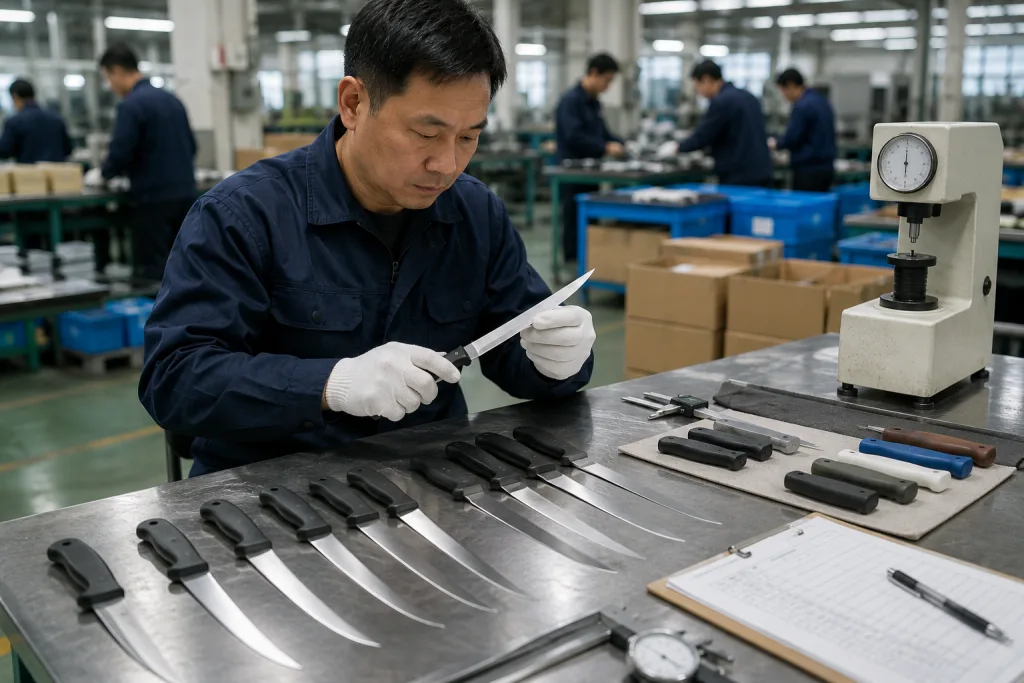
Knives Wholesale RFQ Checklist: Specs, Evidence, and Quote Comparison
A knives wholesale RFQ should make every supplier quote the same product, evidence package, and commercial assumptions. Use the supplied sources as sourcing-topic references, not as proof that any supplier can meet a specification.
The China Knives Wholesale article index covers knife sourcing topics, product categories, steel grades, logo methods, packaging, and carton topics China Knives Wholesale. WholesaleSeeker discusses distributor-selection questions, minimum order requirements, and supplier verification topics WholesaleSeeker. SZCO discusses retail blade and related product categories SZCO. LeeKnives identifies B2B knife-manufacturing topics such as MOQ barriers, lead times, blade steel selection, HRC, OEM/ODM customization, handle materials, blade finishes, and packaging LeeKnives.
Evidence boundary: these citations do not verify any supplier capability, certification, price, MOQ, delivery time, shipping performance, steel grade, test result, compliance status, or production capacity. Treat them as prompts for what a buyer should ask each supplier to confirm in writing.
1. Choose the Buying Route
Start the RFQ by naming the buying route. This prevents suppliers from quoting different scopes under the same request.
- Stock wholesale: an existing supplier SKU with no buyer-controlled design change unless the supplier confirms otherwise.
- Private label: an existing or semi-standard model with buyer branding, finish, packaging, carton marks, or other specified changes.
- OEM or ODM: a custom or developed product that may require drawings, samples, revisions, tooling, and approval controls.
Ask the supplier to state what is included, excluded, or substituted for the selected route. A stock wholesale RFQ can focus on SKU selection, case quantities, packaging, replenishment assumptions, and delivery terms. A private-label RFQ should add logo method, artwork approval, packaging, carton marks, and sample confirmation. An OEM or ODM RFQ should add drawings, tolerances, tooling scope if any, revision control, and inspection evidence.
2. Define the Knife Type and Use Case
Do not rely on broad labels such as outdoor knife, pocket knife, or kitchen knife. The China Knives Wholesale index includes sourcing topics for folding, pocket, fixed blade, EDC, kitchen, chef, outdoor, field, camping, and automatic knives China Knives Wholesale. The SZCO article lists blade and related categories including folding knives, camping knives, fishing knives, razors, boot knives, hunting knives, keychain knives, blank blades, sharpening tools, sheaths, and storage cases SZCO.
Narrow the product definition before asking for price:
- Fixed blade: blade length, overall length, spine thickness, tang style, handle length, target weight, sheath type, carry method, and intended use environment.
- Folding or pocket knife: closed length, blade length, lock type, opening method, pivot construction, washer or bearing preference, clip orientation, and target action feel.
- Kitchen knife: profile, overall length, blade height, spine thickness, grind, handle construction, balance target if required, edge protection, and retail packaging format.
State whether the use case is a design requirement, a marketing position, or reference information only. That distinction helps suppliers understand whether they are quoting performance requirements or descriptive context.
3. Specify Blade Steel, Hardness, and Finish
Name the blade steel grade instead of using a broad material description such as stainless steel, carbon steel, or Damascus. The China Knives Wholesale index includes steel topics for grades such as 1095, 14C28N, 154CM, 440C, 8Cr13MoV, 9Cr18MoV, AUS-10, D2, 12C27, VG10, and M390 China Knives Wholesale. LeeKnives identifies blade steel selection and HRC as B2B sourcing topics LeeKnives.
Include these fields in the blade section:
- Blade steel grade and any acceptable alternate grades.
- Written rule for whether steel substitutions require buyer approval.
- Target HRC range if hardness is controlled.
- Hardness test stage, test location, and number of readings if HRC reporting is requested.
- Heat-treatment responsibility and any material or process documentation requested.
- Surface finish or coating, including finish type, color, cosmetic limits, and approved-sample requirement.
- Edge specification, including edge angle target if used, sharpening method, burr-removal expectation, and inspection method.
- Patterned or Damascus-style material requirements, including construction statement, pattern reference, and approved-sample match if required.
Connect steel choice to intended use, price position, sharpening expectation, corrosion exposure, and inspection requirements. If those priorities are not stated, suppliers may quote different materials or heat-treatment assumptions under the same product name.
4. Control Dimensions, Tolerances, and Drawings
A quote-ready RFQ should include a drawing, measurement table, approved sample, or a stated combination of those controls. Define which item controls if the drawing, photo, and sample do not match.
At minimum, define:
- Overall length.
- Blade length.
- Handle length.
- Blade thickness at spine.
- Blade height.
- Grind type.
- Edge profile.
- Tang, liner, or frame dimensions where relevant.
- Fastener locations.
- Sheath fit points if included.
- Unit packaging size if packaging is part of the quote.
Use tolerances where fit, function, or retail presentation matters. For folding knives, define closed length, open length, lock interface, blade-centering allowance, blade-play limit, detent or opening-feel target, and clip position. For fixed blades, define tang construction, handle fit, guard or bolster fit, spine thickness, edge termination, and sheath retention. For kitchen knives, define blade straightness, heel and tip geometry, handle alignment, edge profile, and balance target if required.
If photos are provided, state whether they are reference-only images or controlling requirements. If a sample is provided, state whether it is a design target, quality benchmark, size reference, or all of those.
5. Define Handle, Mechanism, Sheath, Logo, Packaging, and Carton
Non-blade details can change the quote scope and inspection scope. China Knives Wholesale includes sourcing topics for logo, packaging, and cartons China Knives Wholesale. LeeKnives identifies handle materials, blade finishes, and packaging as B2B sourcing topics LeeKnives.
For handles, specify material, color, texture, thickness, fasteners, liners, adhesive or assembly notes if relevant, and finish standard.
For folding knives, specify lock type, opening mechanism, pivot construction, washer or bearing preference, clip orientation, clip material if required, hardware finish, blade-centering limit, and blade-play limit.
For fixed blades, specify tang style, handle assembly, guard or bolster details if any, sheath material, belt attachment, retention method, drainage or cleaning feature if required, and sheath fit standard.
For kitchen knives, specify handle construction, pins or rivets, transition finish, moisture-exposure expectation if relevant, edge protection, tip protection, and packaging format.
For logos, specify method, placement, maximum size, artwork file format, color, depth or finish where applicable, and approval step.
For packaging and cartons, specify unit box or sleeve, insert, edge protection, barcode placement, case pack quantity, master carton dimensions, gross weight target, carton marks, packing list format, and any buyer-required shipping or handling test.
6. Set the Inspection Evidence Before Comparing Price
Do not compare unit prices until the evidence package is defined. WholesaleSeeker discusses supplier and distributor verification topics WholesaleSeeker. Apply the same discipline to the quoted product: ask who inspects, when inspection happens, what evidence is delivered, and what happens if production does not match the approved sample or written specification.
A practical evidence request can include:
- Approved sample: sample count, approval date, drawing revision, photo record, and change log.
- Material confirmation: steel-grade declaration or material document where available.
- In-process checks: blade grinding, heat-treatment batch identification, handle fit, lock function, sharpening, logo application, and packaging setup if those steps apply.
- Final inspection: dimensions, cosmetic limits, blade centering, lock engagement, blade play, edge condition, sheath fit, logo placement, packaging accuracy, and carton count as relevant to the model.
- Report format: inspection report, photos, HRC readings if required, and retained samples if required.
- Nonconforming goods: sorting, rework, replacement, discount, rejection, or another agreed remedy.
The RFQ should not ask suppliers to imply compliance or certification. Request only documents required by the buyer, destination market, or sales channel, and require the supplier to identify any document it cannot provide.
Buyer Decision Table
| Decision area | RFQ choice to make | Why it matters | Evidence to request | |---|---|---|---| | Buying route | Stock wholesale, private label, OEM, or ODM | Sets quote scope, sample work, and approval process | Written scope and exclusions | | Product type | Folding, pocket, fixed blade, kitchen, EDC, outdoor, or other | Defines mechanism, sheath, packaging, and inspection points | Drawing, sample, or specification sheet | | Steel | Named grade plus accepted alternates | Limits vague material substitutions | Material statement and sample confirmation | | Hardness | Target HRC range and test stage if controlled | Defines the requested hardness evidence | HRC readings if required | | Geometry | Dimensions, grind, edge, and tolerances | Makes technical quotes easier to compare | Dimensioned drawing and final inspection data | | Mechanism | Lock, pivot, opening method, clip, washers or bearings | Controls folding-knife function and feel | Functional inspection checklist | | Handle and sheath | Material, assembly, retention, and finish | Defines fit, finish, and presentation requirements | Photos, samples, and fit checks | | Branding and packaging | Logo method, artwork, unit box, carton, and barcode | Avoids hidden packing and labeling assumptions | Artwork proof, carton spec, and packing list | | Quality plan | Sample approval, inspection timing, and defect rules | Defines evidence before shipment | QC report and agreed remedy process |
Practical RFQ Checklist for Knives Wholesale
Copy the relevant items into the RFQ.
- [ ] Buyer role: importer, distributor, retail chain, brand owner, marketplace seller, or promotional buyer.
- [ ] Buying route: stock wholesale, private label, OEM, or ODM.
- [ ] Destination market and buyer-defined legal or channel restrictions.
- [ ] Product category: folding knife, pocket knife, fixed blade, kitchen knife, EDC, camping, fishing, hunting, utility, or other.
- [ ] Intended use and user environment.
- [ ] Target annual volume, first order quantity, reorder quantity, and required delivery window.
- [ ] Quote basis: sample cost, tooling if any, unit price, packaging, carton, inspection, and freight assumptions.
- [ ] Blade steel grade, acceptable alternates, and written substitution rule.
- [ ] Target HRC range, test stage, number of readings, and report format if required.
- [ ] Blade dimensions: overall length, blade length, spine thickness, blade height, grind, edge angle target, and tip profile.
- [ ] Folding mechanism details: lock type, opener, pivot, washer or bearing, clip, closed length, blade centering, blade-play limit, and hardware finish.
- [ ] Fixed blade details: tang style, guard or bolster, handle fit, sheath material, sheath retention, belt attachment, and drain or cleaning feature if needed.
- [ ] Kitchen knife details: profile, blade height, heel clearance, grind, handle construction, balance requirement, edge protection, and packaging.
- [ ] Handle material, color, texture, fasteners, liners, adhesive or assembly notes, and finish standard.
- [ ] Surface finish or coating: satin, stonewash, bead blast, black coating, polish, pattern, color, and cosmetic limit.
- [ ] Logo or branding: method, placement, artwork file, size, color, approval sample, and rejection rules.
- [ ] Unit packaging: box, sleeve, insert, protection, barcode, buyer-required user document if any, and case pack.
- [ ] Master carton: carton size, weight target, carton marks, palletization if required, and packing list format.
- [ ] Approved sample process: number of samples, approval signature, revision number, and sample retention.
- [ ] Inspection plan: material check, in-process checks, final inspection items, sampling plan if used, and evidence format.
- [ ] Defect definitions: critical, major, minor, cosmetic limits, functional failures, packaging errors, and remedy.
- [ ] Compliance documents: request only documents required for the destination market or sales channel.
- [ ] Quote validity, production lead time, payment terms, intellectual property handling, and change approval process.
How to Compare Knives Wholesale Quotes
Normalize every quote against the same RFQ revision. Compare suppliers on the same drawing, steel grade, HRC target if used, dimensions, mechanism, handle, sheath, logo method, unit packaging, master carton, inspection evidence, delivery term, and sample plan.
Ask each supplier to list exclusions and substitutions in writing. A lower unit price may not be comparable if it excludes revised samples, retail packaging, carton labels, inspection reports, or freight assumptions.
Match supplier evaluation to the buying model. WholesaleSeeker separates buyer questions around distributor type, minimum order requirements, pocket knife distributors, chef knife distributors, and distributor verification WholesaleSeeker. A retailer buying mixed SKUs, a marketplace seller testing inventory, and a private-label buyer developing one model may need different quote structures.
A useful knives wholesale RFQ is clear about the product, the requested evidence, and the commercial assumptions. Its job is not to prove supplier claims in advance. Its job is to make each supplier state and document exactly what it is quoting.