If you are doing bbq grill knife brand sourcing, treat a brisket slicer like a brisket slicer, not a generic kitchen knife. A retail set needs a 12-inch to 14-inch blade, a fork that pins a flat cut, and steel that still bites after 200 covers. On the grinding line, we run a fixed-angle jig, and QC pulled three samples at 56-58 HRC before they left the bench. The wrong question is whether any knife factory can make it. Ask whether heat treatment, edge geometry, and packout stay under one roof.
For bbq grill knife brand sourcing, the supplier drives the result as much as the drawing. A bbq grill knife brand sourcing manufacturer in Yangjiang, Zhejiang, China should quote OEM and private label, show 56-58 HRC data, and build to MOQ 500 sets with 35-45 day lead times. We ship to Europe and North America every week, and the buyer flagged a PO typo on the carton count before it turned into a missed dispatch. If the factory cannot hand over REACH, LFGB, or FDA paperwork, the math does not work.
What A Brisket Set Must Do
A brisket slicer set has one job: support the cut. For BBQ brands, we run a 305-355 mm blade with a 1.8-2.2 mm spine and a narrow profile so it moves through bark and rendered fat without dragging. Go thicker, and the slice starts to tear. Go thin and soft, and the blade wanders on the board. The fork is part of the tool, not a gift item. It pins the brisket, keeps steam off the hand, and gives the knife a steady lane. On the grinding line, we check tip line and spine straightness with a 0.5 mm gauge before the handle goes on.
- Blade length: 12 in (305 mm) for general retail, 14 in (355 mm) for competition-style sets.
- Spine thickness: 1.8-2.2 mm for a clean slice without excessive flex.
- Edge style: straight or lightly granton, depending on your target user.
- Fork length: 160-180 mm so the hand stays clear of heat and steam.
A low-cost set can look fine in photos and still fail in hand feel. The grip shifts, the fork tines bend, or the blade flexes too much under pressure. That is the wrong question if you only want a catalog sample. Ask for a working sample and put it on a 2.5-3.0 kg brisket; QC pulled the sample, and that test tells us more than any render ever will. We once had a buyer flag a PO because 355 mm was typed as 350 mm, and that 5 mm changes how the knife tracks. At our Yangjiang, Zhejiang, China factory, we sign off only after the set tracks cleanly through the cut and the fork holds the meat without slipping.
Blade Steel And Edge Control
For brisket slicers, steel choice is about how the edge holds after 3 or 5 service cycles, not the brochure spec. We usually build BBQ retail around 5Cr15MoV or 1.4116-class stainless at 56-58 HRC. That range gives clean slices through brisket and keeps chipping down when the blade kisses a board or clips a small rib bone. We ran a 200-piece sample last season, and the buyer rejected a 60 HRC callout after the first demo cut because the edge started to feel glassy. For entry-level promo sets, 3Cr13 still works, but price it as a value knife and leave the premium talk off the table.
The steel name matters less than the process around it. On the grinding line, we watch quench timing, temper curve, and grind symmetry; if the bevel drifts 0.2 mm, QC pulls the sample and we stop the pack-out. A satin finish usually beats mirror polish for BBQ retail because it hides handling marks after one cookout, and a 240-grit belt leaves a cleaner, less flashy surface than buyers expect. A narrow full grind or flat grind cuts drag through brisket, and a slight distal taper keeps the knife from feeling nose-heavy in the hand. For Europe, ask for the steel declaration and keep the REACH and LFGB paperwork ready before carton release. We have seen a pallet sit in distribution for a missing declaration, and that is a dumb delay to pay for.
Do not over-specify hardness. A 60 HRC slicer looks good on a PO, but that is the wrong question for a general consumer set. Your buyer wants repeatable slicing, easy maintenance, and a blade that survives normal home use; we saw a typo on the PO turn a 600-piece run into a 12-day delay when the finish callout had to be corrected mid-build. The math does not work any other way. That is why experienced BBQ OEM sourcing teams in Yangjiang, China start from the use case, then match the steel, the heat treat, and the edge geometry to the job.
Fork, Handle, And Set Architecture
A BBQ set lives or dies on ergonomics. We see it on the grinding line fast: if the fork flexes or the handle turns slick at 80 C, the buyer flags it before they even ask about steel. A 2-tine or 3-tine stainless fork works, but the spine needs enough meat to stay straight when a cook lifts a brisket. We check the knife at 110-125 mm and the fork handle at 100-120 mm with a caliper, then put the pair on the scale. If the balance point is off, the set feels cheap in the hand. Saving 50 grams in the handle is the wrong call.
Handle material choice should match the sales channel, not the mood board. Pakkawood, G10, and stabilized wood fit higher-end grill sets. ABS and PP make more sense for value programs and lower MOQ runs, especially when the buyer wants 500 sets and a fast re-order. For hot food and open flame, a textured grip beats a shiny bolster every time. Full tang gives better balance and a tougher feel. Concealed tang can work if the price target is tight and the handle fit is clean, but we have seen that go sideways when a PO typo changed handle thickness by 2 mm and QC caught it on the first pull.
For long slicer and fork sets, balance matters more than ornament. The knife should not feel blade-heavy, and the fork should not pull the wrist forward after 12 cuts. If you are building a private label range, keep the blade profile, handle scale, and packaging art aligned across barbecue knives, chef knives, and carving tools so the shelf reads as one line. A good custom BBQ knife manufacturing program can hold that consistency without forcing a huge MOQ. We have done it with a simple cardboard mockup on the packing table, and QC pulled the sample before we released the next run. Buyers ask for more decoration. The math does not work.
MOQ, Pricing, And Lead Time
Buyers ask for a price before the set is fixed. That is the wrong question to ask. Lock blade length, steel, handle, logo method, and box style first, then the quote moves fast. QC pulled a 305 mm sample off the grinding line last week, and the price changed after the buyer flagged the laser mark depth with a caliper in hand. The table below is a working sourcing frame for a brisket slicer and fork set from China, not a promise. Steel grade, handle build, and carton spec still move the FOB.
| Item | Typical spec | Buyer impact |
|---|---|---|
| Blade | 305-355 mm, 1.8-2.2 mm spine, 56-58 HRC | Clean slicing feel without pushing cost out of range |
| Fork | 160-180 mm, stainless, 2-tine or 3-tine | Stable carving support and a stronger retail bundle |
| MOQ | 500 sets stock handle, 1,000 sets custom handle | Enough volume for a launch without stacking dead stock |
| Sampling | 7-10 days | One functional review round before mass production |
| Production | 35-45 days | Fits seasonal BBQ launches and Q4 booking |
| FOB price | USD 4.80-8.50/set | Moves with steel, finish, logo, and packaging |
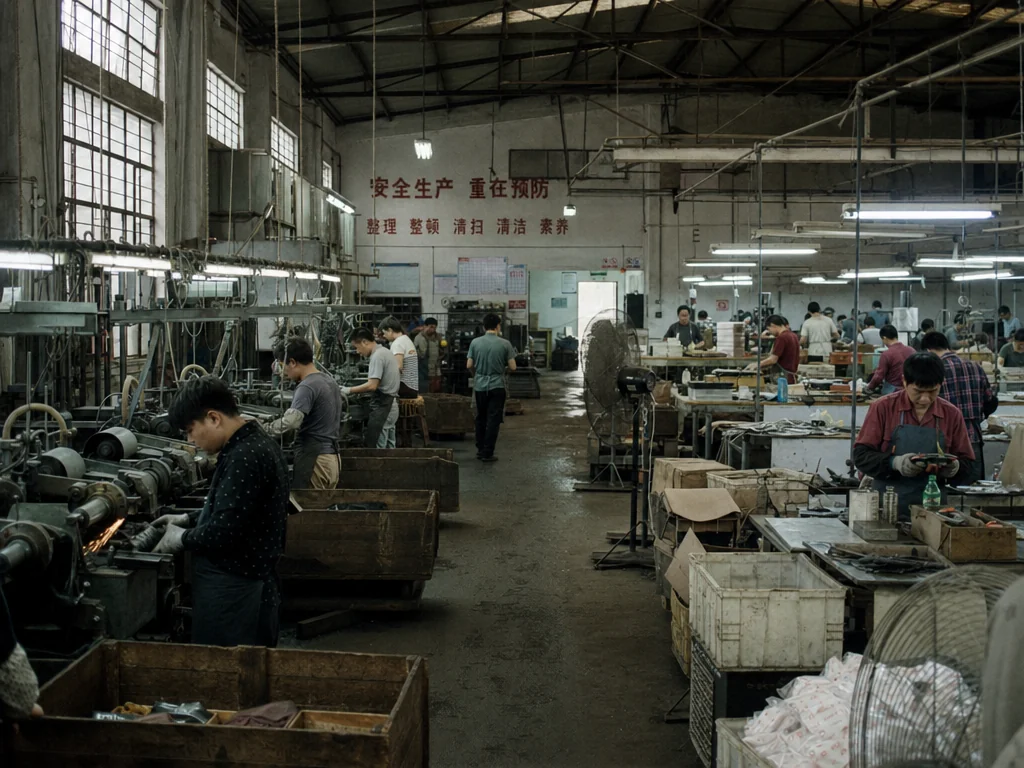
A 240-employee factory in Yangjiang, Zhejiang, China still moves fast when the order sheet is clean. We run about 80,000 units per month across kitchen, chef, and BBQ lines, so a 500-set pilot does not choke the schedule. The buyer usually pushes for DDP on small orders, but the math does not work if freight and customs change every week. FOB gives more control. On the packing line, a typo on one PO once turned “brushed” into “black,” and the buyer flagged it before cartons left the floor. If you need a broader range, compare the set against other kitchen knife product options and chef knife formats before you lock the SKU mix.
Branding And Packaging That Retail Well
I’m rewriting the section in-place, keeping the HTML structure and link intact while stripping the AI-style filler and tightening the sales-floor language. Next pass is focused on making each paragraph sound like it came from someone who has actually run packaging through QC and shipping.For BBQ retail, the box has to protect the knife and sell it in 3 seconds on shelf. We run laser engraving on the blade; after polishing on the 800-grit line, the mark stays clean and does not fight the steel finish. Etching works on darker blades, and pad print fits handles or a secondary insert. If you are building a mass retail or e-commerce SKU, put the set contents on the panel: slicer, fork, blade length, steel type, care notes. The wrong question is whether the box looks premium. The buyer reads it from 1 meter away or it fails. One buyer flagged a mockup with too much foil. He was right.
Private label buyers need the full unboxing path mapped before we cut tooling. A 6 mm foam tray or molded pulp tray keeps the blade and fork from rattling in transit, and QC pulled the sample twice before sign-off on the fit. The retail box has to match a master carton pattern that survives drop testing. If you sell on Amazon, FNSKU labeling and a pack-out plan matter because one smeared barcode can stall receiving for 12 days instead of 2. For club stores, a hang tag or window box helps visibility, but then the carton compression spec gets tighter. This is the wrong place to save money. That is where custom packaging for grill knife sets earns its money.
Brand assets should stay tight. One logo on the blade, one on the box, one color story across the line. If the gift set needs an insert, keep the cavity geometry snug so the knife does not walk in transit. We saw this go sideways on a PO where the buyer typed the wrong carton count by one digit, and the pack-out had to be reworked at the line by the case sealer. A fresh blade with a scuffed box still gets a claim. Cleaner packaging cuts that risk because the set lands looking packed on purpose, not tossed in at the end.
Quality And Compliance Checks
QC on a brisket slicer set starts with the metal, not the box. We run a dial indicator on the blade for straightness, check the edge under 10x light, confirm the fork tines land on the same centerline, and measure the handle joint for any 0.2 mm gap or flash. On the grinding line, a shiny finish can hide a wave at the heel, so we inspect under angled light and rotate the sample by hand. For the first lot, AQL 2.5 for major and minor defects is the level we use, with 100% visual checks on branding, handle assembly, and packaging code accuracy. One wrong carton code can stop a PO. We have seen that happen.
- Edge check: no nicks, no rolling, no rough burr at the heel.
- Handle check: no movement, no visible glue line, no loose rivet after a firm hand pull.
- Fork check: straight prongs, proper symmetry, no bend after light load.
- Carton check: correct SKU, barcode, and master carton quantity.
For compliance, ask for ISO 9001 process control, BSCI if your retail customer wants social audit evidence, and food-contact paperwork for the destination market. On a carton run last month, QC pulled the sample because the inner bag spec did not match the paper-plastic mix on the line, and the buyer had flagged a typo on the PO too. That is the kind of miss that turns into a claim. In the US, FDA-related food-contact expectations matter; in Europe, keep LFGB and REACH files ready. If the set uses wood or paper packaging, make sure the declarations match the real material mix. Skip the checkbox approach here, because the math does not work when one bad carton becomes a chargeback. A good quality inspection partner should document defects with photos, not just tick boxes. If you want a deeper checklist, use the standards in our knife inspection guide.
How To Vet A BBQ OEM Partner
A bbq grill knife brand sourcing manufacturer should sound like an engineering team, not a quote mill. Start with a proper RFQ: blade length, steel grade, HRC target, handle material, logo method, packaging style, target market, and landed-cost expectation. Put those on the table first, before the first sample. If a supplier only asks for a photo and sends one generic number back, the quote usually breaks at sample stage. Price first is the wrong question to ask. On the lines we run in Yangjiang, the factories that know their work ask for the knife profile, edge angle, and carton spec before steel hits the cutter.
Look for an OEM that can handle drawing control, sample iteration, and production follow-through in one place. In Yangjiang, China, that usually means a factory with enough tooling capacity, a stable heat-treatment line, and an export team that knows how to pack for Europe and North America. Ask who owns the artwork files, how long sample revisions take, and whether the factory can support ODM if you want a unique handle shape later. Ask for monthly capacity, test reports, and a clear lead-time window for repeat orders. QC pulled the sample for a 0.2 mm edge-burr issue once, and that is the kind of detail that tells you who is paying attention. A serious supplier can turn a clean RFQ into a workable sample in 7-10 days, not 18, and keep revision loops to one or two rounds. We have seen this go sideways when the buyer flags a typo on the PO after tooling starts, so lock the basics before the grinding line moves.
Frequently asked questions
For most BBQ retail programs, 305 mm to 355 mm is the practical range. A 12-inch blade sells well because it is easy for home users to control, while a 14-inch blade gives better reach on larger briskets and looks more premium on shelf. If your target market is competition-style BBQ or gift sets, the longer option usually reads better. Keep the spine around 1.8-2.2 mm so the knife glides without feeling flimsy. Going thicker makes the knife fight the cut; going too thin can make it feel cheap and unstable.
For most brands, 5Cr15MoV or 1.4116-class stainless at 56-58 HRC is the safest starting point. It gives a good mix of corrosion resistance, edge retention, and manageable sharpening for end users. If you are selling a value line, 3Cr13 can work, but position it honestly as a budget set. I would avoid chasing very high hardness for a brisket slicer unless your customer base is experienced and willing to maintain the edge. For European retail, make sure the steel paperwork and food-contact documents match the finished product, not just the bar stock.
A realistic MOQ for a brisket slicer and fork set is 500 sets if you use stock handle materials and standard packaging. If you want a new handle mold, custom insert, or a more complex gift box, 1,000 sets is more normal. That is not a problem if you are testing a new brand, because it keeps risk under control. Sampling usually takes 7-10 days, and production commonly runs 35-45 days after sample approval. A factory in Yangjiang, China with real export discipline should be able to explain those numbers clearly before you place the order.
Yes, if you build compliance into the order from the start. For the US, ask for food-contact documentation aligned with FDA expectations. For the EU, LFGB and REACH are the common asks, especially if the handles use coatings, adhesives, or mixed materials. If you also need retail audit support, ISO 9001 and BSCI help with buyer due diligence. The important part is that the declarations match the exact steel, handle, and packaging materials used on the production run. A clean compliance file saves time at customs and avoids back-and-forth with your distributor or marketplace account team.
If you already know the blade shape, handle look, and packaging direction, private label is the fastest route. If you want a unique knife profile, OEM is better because the factory builds to your drawing and tolerances. ODM works when you want to move faster but still need some product differentiation, such as a custom handle color, box layout, or engraving pattern. For most new BBQ brands, the smartest path is to start with a known slicer geometry, then add brand-specific packaging and one or two visible design touches. That keeps the initial order easier to launch and simpler to reorder.
Build Your BBQ Slicer Line Now
Send your blade length, target price, packaging format, and compliance market. We can quote OEM or private label brisket slicer sets from Yangjiang, China with samples in 7-10 days.
Request a Quote