Sourcing a clam knife OEM for a shellfish or barware brand goes wrong fast when the item is treated like a decorative knife. Wrong question. A clam knife is a working tool. It needs a short stiff blade, a hand-stopping bolster, and edge control that opens shells without flex or tip chips. On the bench, small misses show up fast. We have seen buyers in Europe and North America approve a clean handle render, then reject the first sample after QC pulled the blade with calipers: 1.6 mm near the heel, while the drawing called for 2.0 mm. The math doesn't work once the blade starts bending in a hard shell.
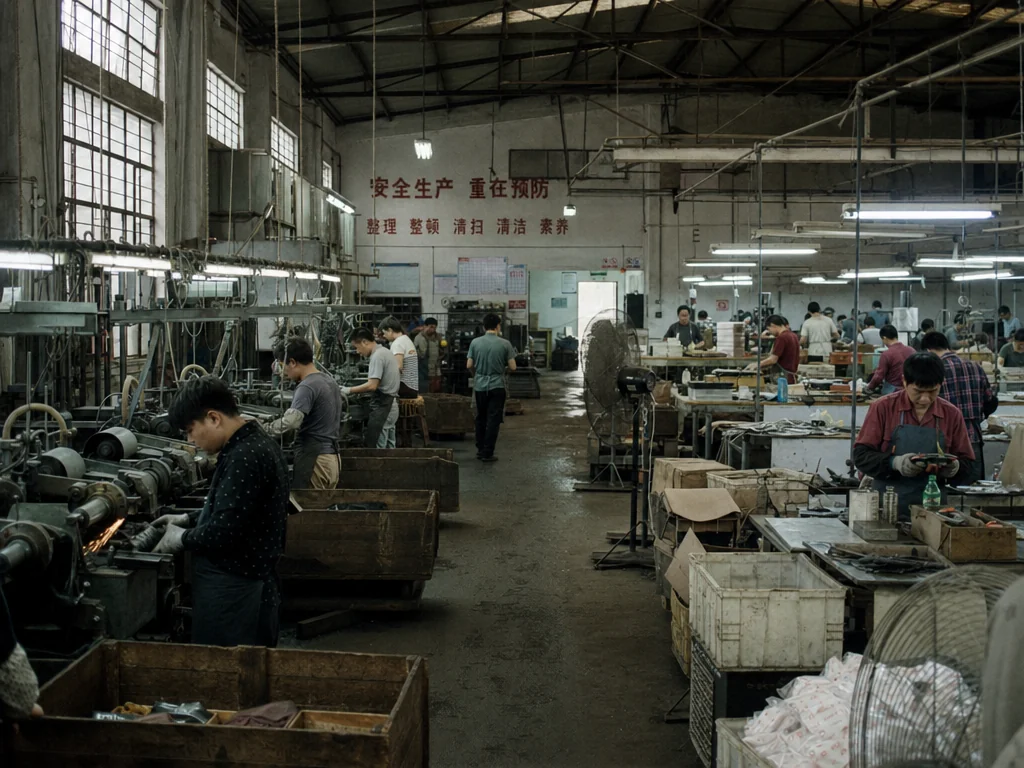
At TANGFORGE in Yangjiang, China, we run this category as a small engineering job: confirm the opening motion, set the steel and hardness band, then freeze the grip, finish, and packaging. With about 240 employees, monthly output around 120,000 units, MOQ starting at 1,000 pcs for standard builds, and lead times of 35-45 days after approval, the project stays clean when the spec sheet is clean. We ship tools, not showroom props. One buyer flagged a PO typo on handle color code, and that was enough to hold the lot at packing for 2 days. The target is a reliable clam knife OEM product your buyers can open safely, pass compliance review, and reorder without the second PO changing because the first batch went sideways.
What a real clam knife needs
A real clam knife is not a skinny chef knife. It has one job: get into the shell seam, hold straight when the side load hits, and keep fingers behind the tip when the shell breaks free. That is why we run a short, stiff blade with a blunt pry edge, not a slicing edge. For clam knife OEM sourcing, a solid first drawing is 55-70 mm blade length, 1.5-2.0 mm stock thickness, 42-48 HRC for the blade body, and a handle sized for a wet three-finger grip. On our grinding line, QC checks the first 20 pcs with a 0.02 mm caliper before bulk polishing gets the green light.
Barware brands usually start with the prettier outline. That is the wrong question to ask. This item exposes weak design fast. A 1.2 mm blade bends on hard clams, then the buyer flags the sample as cheap after one sink-side test. A 90 mm blade looks clean in a catalog but feels clumsy behind the bar, especially when staff are opening 80-120 shells during prep. If there is no bolster or finger stop, the hand slides forward when the shell pops. In Yangjiang and Zhejiang, China, factories that know this item talk about seam entry angle, side-load resistance, and wet-hand safety before mirror polish. We keep a handheld durometer on the bench for this call.
The best brief you can give a clam knife OEM manufacturer is plain: keep the blade short and stiff, control the point geometry, and make the handle stop the hand under wet pressure. We have seen this go sideways when a PO says “oyster knife” but the artwork shows a clam opener, so we now ask for the target shell type before sampling. Buyers with 6-12 SKUs per seasonal barware range often pair this knife with seafood forks or oyster shuckers in a branded set; last month QC pulled one set because the clam knife handle logo was 1.5 mm off-center. You are not selling a knife alone. You are selling trust during a wet service rush.
Blade geometry and bolster
The short stiff blade does the cutting work, but the bolster decides whether the clam knife feels controlled or sketchy. Full stop. We run a finger guard tall enough to stop the index finger before it rides onto the blade shoulder, usually 6-8 mm proud of the handle face on barware orders. On a clam knife OEM project, I ask for a modest bolster, not a heavy lump of metal. Extra steel adds 8-12 g, slows the grinding line by about 12 seconds per piece, and makes the knife feel like a small utility blade instead of a shellfish opener.
Draw the geometry around the opening motion, not from a generic knife catalog. The tip needs a slight taper so it can enter the shell seam; a rigid spine keeps prying force in the blade plane. Thumb comfort matters. QC pulled one pre-shipment sample last year with a sharp spine transition near the bolster, and the buyer flagged it after 20 minutes of oyster-bar testing. That one failed on hand feel, not sharpness. For hospitality brands, the safer grip sells. Your buyer may not know the difference between 1.5 mm and 2.2 mm steel, but they will notice when the knife flexes during service.
If you are working with a clam knife OEM sourcing team in China, ask for a section drawing showing blade thickness at the tip and heel, bolster position measured from the handle front, and the spine radius in mm. A product photo is not enough. We have seen this go sideways when a PO only said “same as sample” and the second batch came back with a 3 mm shifted guard. The math does not work if the factory quotes only from a photo and skips the functional drawing. The right tool should feel deliberate in the hand, not generic.
Steel, hardness, and finish
For shellfish tools, steel choice is about rust control, clean polishing, and repeatable output, not edge life. In 8 of 10 clam knife OEM inquiries we quote, buyers ask for 420J2 or 3Cr13 because those grades run clean on the grinding line and keep the unit price in line. Simple works here. Some brands move up to 5Cr15MoV or a close equivalent for a higher shelf price, but the alloy name on the spec sheet is not the part I push on. We check the final HRC blade by blade with the Rockwell tester, straight from the heat-treatment lot, not after polishing guesses.
A practical hardness target is 52-56 HRC. Below that, the blade feels soft, and the buyer will call it cheap before they even open a clam. Above that, you get more stiffness, but the tip can chip if heat treatment drifts by 2 HRC; QC pulled that exact sample from a 300-piece pre-shipment run last year. We batch-check hardness in Yangjiang because these knives sit in wet sinks, ice wells, and bar trays, then get rinsed all night. A stable satin or fine polish finish usually beats mirror polish. Mirror looks good in the catalog photo, then shows hairline scratches after one shift behind a bar.
Surface treatment has to match the market. If the knife needs food-contact approval, lock the material, polishing compound, and passivation process against FDA, LFGB, and REACH requirements before mass production. For a premium barware line, finish matters, but using shine to hide weak steel is the wrong question to ask. Ask for hardness reports, salt-spray expectations where relevant, and samples from the real tooling; we've seen this go sideways when the showroom sample used a hand-polished blade, while the bulk order came off a 600-grit wheel with uneven pull marks.
Typical sourcing data
Send a clean spec sheet before asking for price. That is how we separate a real clam knife OEM job from a chef-knife factory guessing at shellfish tools. We quote from blade drawing, handle material, logo method, packing style, and carton target; last month QC pulled 12 pre-production samples because the PO said 1.8 mm blade, but the buyer's PDF showed 1.5 mm. Small gap. On the bench, that 0.3 mm changes how the tip rides at the hinge, and the grinding line has to set the fixture again. The table below is a sane starting range for barware and shellfish programs.
| Component | Recommended spec | Why it matters |
|---|---|---|
| Blade length | 55-70 mm | Gives enough control at the shell hinge without making the tip awkward in the hand |
| Blade thickness | 1.5-2.0 mm | Keeps the blade from flexing when the user twists under pressure |
| Hardness | 52-56 HRC | Stiff enough for prying, still forgiving in mass production |
| Handle | PP, TPR, ABS, or wood composite | Sets grip feel and shelf price; TPR costs more, and buyers notice it in wet-hand tests |
| MOQ | 1,000 pcs typical | Fits one normal export run without leaving 6 cartons of odd stock in our warehouse |
| Lead time | 35-45 days | Covers sample sign-off, grinding line scheduling, bulk production, and final packing |
This is a workable base for clam knife OEM sourcing in China. For a new handle mold, laser logo, gift box, or custom insert tray, add the tooling charge and 7-12 days before bulk starts; the mold shop does not move faster because the sales email says urgent. Decide the channel early. If the same item must sell to retail and hospitality, the wrong question is "can one knife cover both?" We have seen this go sideways: a hotel buyer wants a thicker handle for wet gloves, while the retail buyer pushes back on carton cube and shelf price after checking a 24 pcs inner box. One knife for every channel sounds tidy. The math often doesn't work.
Handle feel and grip control
For a shellfish tool, the handle matters as much as the blade. The user has wet hands, crushed ice, and broken shell chips on the station, not a clean demo table. In one 2024 sample run, QC pulled 12 handles after the thumb area slipped during a wet-glove check with nitrile gloves and 5 °C water. A clam knife OEM program should start with a handle profile that stays locked when the user pushes hard. Add light texture and a clear thumb stop. Skip the shiny decorative surface. No contest.
Material choice depends on your sales channel. PP and ABS work well when the target is 3,000-10,000 pcs per order and the buyer is watching FOB price by the cent. TPR overmold gives stronger grip and a better hand feel, but the second-shot mold adds cost and needs tighter control at the parting line; we have seen buyers flag a 0.3 mm flash line on the first approval sample. On line 3, that kind of miss shows up fast. Wood or wood-composite handles fit barware brands that want a warmer counter look, but moisture and coating control must be written into the spec, down to the varnish thickness and soak test time. For hospitality, shelf appeal is the wrong question to ask. Count wash cycles. The math doesn't work any other way.
Balance is the detail buyers often miss. A short stiff blade with a heavy handle feels dead in the hand, especially after 50 clams on a cold prep station. A lighter handle with a proper bolster gives better control and less wrist fatigue. During sampling, ask the factory to run wet-glove checks, cold-water checks, and at least 30 push tests on the grinding line sample. Dry desktop review lies. We have seen this go sideways when a buyer approved texture from photos, then the bartender flagged slipping during the first bar trial. If your buyer network includes chefs or seafood retailers, put the sample in their hand before you lock the handle texture.
Quality checks that prevent returns
For clam knives, QC has two jobs first: safety and rust control. We start with incoming steel on the spectrometer, then the inspector checks blade thickness at 2.2 mm or 2.4 mm with a digital caliper, hardness, edge or tip finish, handle fit, and surface marks under the bench light. If you import to Europe or North America, write the standard into the PO. Letting the factory guess is the wrong question to ask. AQL 2.5 is a normal general inspection level for cosmetic and functional defects, but the sampling plan must fit your sales channel and return risk. This is where sloppy files cost money later.
For commercial buyers, the expensive defects hide well. A loose handle or weak tip may pass a photo check, then come back from distributors 12 days after delivery. We have seen QC pull a bench sample and find a 0.3 mm handle gap that looked clean in WhatsApp photos. Ask for pre-production samples, in-line checks, and final inspection photos with carton marks visible. If you use barcode systems such as FNSKU for retail or warehouse work, confirm label position and carton packing before mass packing starts. One typo on a PO can turn into a freight-stage rework bill. The math does not work.
In our Zhejiang and Yangjiang export work, repeat orders run best when the buyer approves a golden sample and the factory keeps that sample beside the grinding line. Do not skip this. It keeps clam knife OEM sourcing stable when the order ships in mixed cartons with oyster knives, bottle openers, or other barware items. We run that way for a reason: when the buyer flagged a 1 mm handle color shift on a 5000-piece run, the line stopped, QC held 200 pieces at the packing table, and the issue was sorted before loading.
Packaging, compliance, and order flow
Packaging sits inside the clam knife OEM work, not after it. We see it on the packing table every week. For retail, the pack protects margin; for hotels and oyster bars, it controls shelf height, carton weight, and whether staff can wipe the bin after service. A 0.04 mm polybag works for bulk supply. A barware brand usually wants a printed sleeve, blister pack, window box, or gift insert with a barcode sticker. Give the packaging spec at quote stage. If the sleeve needs 350 gsm card, 24 pcs per inner carton, and a 6 mm hang hole set 18 mm from the top edge, we price cartons, inserts, and packing labor in the first quote. Changing it after the die line is approved gets expensive fast.
Compliance follows the destination market, and asking after production starts is the wrong question. For food-contact clam knives, line up FDA and LFGB where required, and make sure the material declaration supports REACH. If the carton carries sustainability claims, lock the paper stock, inks, and recycled content before print. We run into this more than buyers expect, about 3 times in a normal export season. On one shipment, QC pulled the sample because the carton ink spec did not match the declared paper stock; customs would have caught it, and the retailer's compliance team would have asked for the same proof. A generic PO note does not cover you. The math doesn't work.
For ordering, the clean path is sample, golden sample, pilot run, then production. Simple. It saves arguments. If you are working with a factory in Yangjiang, China, or checking a second source in Zhejiang, keep the same measurement sheet, carton spec, and inspection checklist. We had one PO where a typo changed the carton count from 24 to 42, and the buyer flagged it before we shipped. Good catch. That is how you compare blade length, handle rivet spacing, carton cube, and AQL 2.5 findings instead of comparing paperwork. We ship cleaner when the grinding line, packing table, and buyer file are reading the same numbers.
Frequently asked questions
For a standard clam knife OEM build, 1,000 pcs is a realistic starting MOQ in China. If you use an existing blade shape and stock handle material, some factories can quote lower, but once you add a custom mold, logo embossing, or retail box, the economics change quickly. At TANGFORGE, our normal export production is designed for repeatable batches, not one-off prototypes, so the MOQ is tied to tooling and packing efficiency. If you need two colorways or a gift set, it is better to combine them in one order than split them into tiny runs.
For most shellfish and barware applications, 420J2, 3Cr13, or 5Cr15MoV are the practical choices. The deciding factor is how the factory heat treats the blade, not just the alloy name. A useful target is 52-56 HRC for a clam knife because you want a stiff working blade without making the tip brittle. If your market is premium retail, ask for corrosion-focused finishing and a clear material declaration. For food-contact programs sold into Europe, align the spec with LFGB and REACH expectations before mass production.
Yes, in most commercial designs it should have at least a short finger guard or bolster. The product is used with wet hands, broken shell fragments, and concentrated prying force, so hand control matters more than ornament. A modest bolster helps stop forward slip and makes the tool feel more deliberate. I would avoid a heavy, overbuilt bolster unless your brand wants a more substantial premium look. For barware brands, the best result is usually a compact guard that protects the hand without making the knife feel bulky or overly expensive.
For a standard project, expect 35-45 days after sample approval. That timing assumes the factory already has the main steel and handle materials available. If you need custom tooling, a new packaging insert, or multiple approval rounds, add time. If the order is moving from Yangjiang or Zhejiang to an export port, freight booking can also affect the calendar. The fastest way to avoid delay is to lock the drawing, hardness target, logo placement, and carton spec before you confirm the order.
AQL 2.5 is a common starting point for general inspection on a clam knife OEM shipment, especially if the product has both cosmetic and functional requirements. You should also define specific checks for blade thickness, bolster fit, handle security, logo clarity, and pack-out count. For retail, add carton drop expectations and label verification if you use FNSKU or similar warehouse codes. The important part is not the number alone; it is writing the inspection plan into the PO so the factory and inspector use the same acceptance criteria.
Build your clam knife line correctly
Send your target blade length, handle style, and packaging spec. We can quote a practical clam knife OEM program from Yangjiang or Zhejiang with clear MOQ, lead time, and compliance targets.
Request a Quote