A wedding favor steak knife only works when guests want to use it, not stash it in a drawer. They feel the weight in the hand, check the edge polish, measure the engraving depth, and judge the box the same way they would judge a retail set. On our packing bench, a 0.2 mm shift in the logo line is enough for a buyer to call it out.
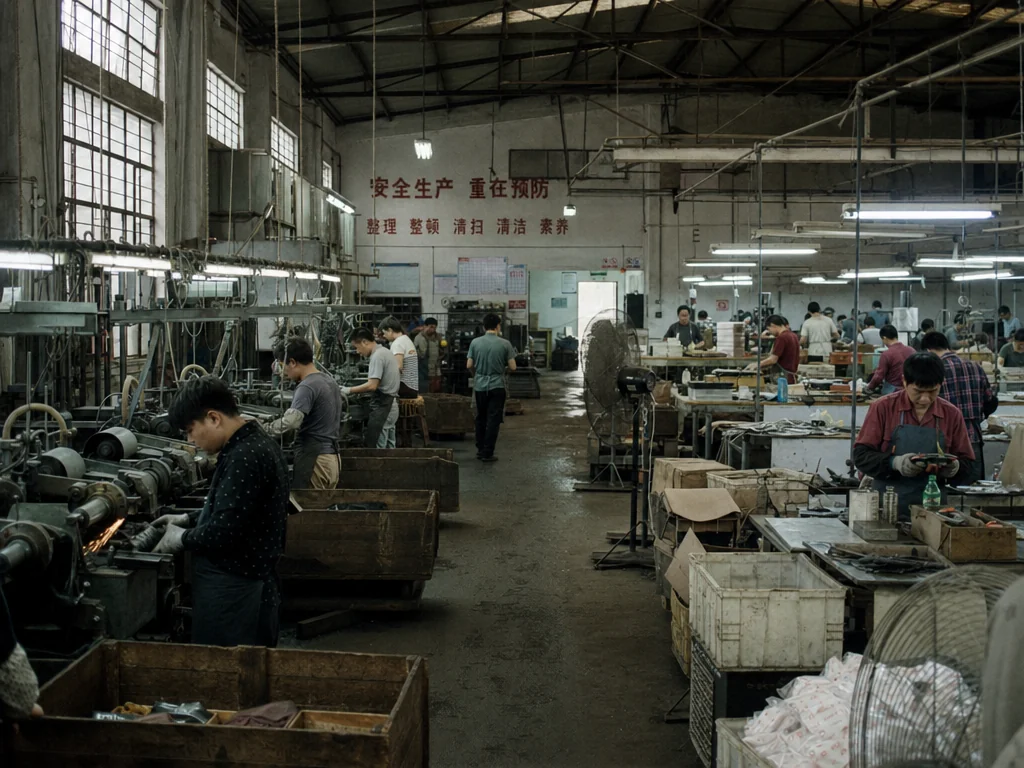
If you source from China, the factory setup decides whether the run stays clean or gets messy fast. A wedding favor steak knife manufacturer in Yangjiang, China with 240 employees can cover small-batch OEM wedding orders, but we run the job in a fixed order: artwork, steel grade, handle spec, then pack-out. On the grinding line, QC pulled the sample after the first pass, and the buyer flagged it in round one when that sequence was skipped. The math does not work any other way.
Why This Favor Actually Gets Kept
Most wedding favors look nice on the day and disappear into a drawer. A wedding favor steak knife gets kept because it has a job at home, and guests notice that fast. If the balance, edge, and finish are right, it stays on the table. The date on the handle matters only when the knife feels solid in the hand, and we see that on the grinding line every week when a sample gets passed around twice instead of once.
Small details decide the sale. A 3 mm handle that shifts in the hand will draw complaints. A weak laser mark can fade after a few dishwasher cycles, and QC pulled the sample after 20 wash tests with the logo still visible but softened at the edges. A cheap insert card that bends in the box makes the whole set look cheaper than it is. Build for the second dinner, not just the wedding table. This is not the place to shave 3 cents.
In Yangjiang, China, plenty of factories can assemble this kind of program, but a better wedding favor steak knife manufacturer will ask about event count, ship-to port, and engraving format before they quote. That is the right sign. It tells you they are checking yield, blade nesting, and packing speed, not chasing unit price. For a 500-set run, one blade shape, one engraving position, and a pack-out that the line can fold without handwork piling up usually works best. We ship that way for a reason, and the buyer who flags a typo on the PO usually saves a week later.
Buyers who treat it like a retail SKU instead of a souvenir usually get better results. Clean edge profile. Stable satin or mirror finish. Packaging that looks planned, not patched together at the packing table. This is the wrong question to ask: “What is the cheapest knife?” The math does not work. If the set can sit next to a retail cutlery line and not look out of place, the spec is close. We have seen this go sideways when someone asks for “good enough” on a 12-day rush and expects 18-day quality.
What To Put In Your RFQ
If your RFQ says only custom wedding knife, the factory will quote loose and fill the gaps with its own assumptions. Send a clean spec sheet. Keep it short, but cover the items that change tooling, laser engraving, and pack-out labor. On our side, QC pulled the first sample at the grinding line before we released pricing.
- Blade length: 100-120 mm for most steak knives.
- Overall length: 210-240 mm depending on handle style.
- Steel grade: 420J2, 3Cr13, or 5Cr15MoV.
- Target hardness: HRC 52-54 for budget, HRC 55-57 for mid-tier.
- Handle material: ABS, PP, Pakkawood, stainless, or G10.
- Finish: satin, mirror polish, black PVD, or brushed.
- Engraving content: initials, names, date, table number, or logo.
- Pack-out: gift box, sleeve, insert card, or set box.
For wedding favor steak knife sourcing, say whether the order is one mixed name list or one fixed design. Variable-data engraving changes the line. A 1,000-set order with one date is one setup; a 1,000-set order with 1,000 different names needs file control and a tighter proof process. The buyer says names are "just text" - that is the wrong question to ask. If your team runs these orders often, build a spreadsheet template early and lock spelling before we cut metal. The laser table does not forgive bad data.
Ask for sample photos of the exact blade and handle, not generic product shots. One item number can hide three finish levels, and the quote can move by 20-35% depending on whether the handle is molded plastic or stabilized wood. We ship this kind of order every week. A buyer once flagged a mirror polish as satin on the PO, and that typo forced a full reproof at the polishing line. The more exact your RFQ, the fewer surprises at packing.
Personalization Methods That Hold Up
I’m rewriting the section in place, keeping the HTML structure intact and tightening the language so it reads like a factory-side sales note instead of polished marketing copy.For wedding favors, laser engraving is the safest call. We run it on the fiber machine, and the mark stays clean on stainless blades, handle bolsters, and some coated finishes. Names, dates, and monograms come out sharp without touching the blade profile. On a 200-piece batch, that matters more than decorative tricks. QC checks the first five parts under a loupe, then we keep moving. The buyer wants a clean mark and no rework. Simple.
There are three common personalization routes. Laser engraving gives crisp text and variable data, so it fits mixed guest lists. Deep engraving looks premium, but it adds cost and slows the line by 12 to 18 minutes per setup. Pad print is cheap for logos, but it rubs off faster and is a weak choice for a wedding favor steak knife that may go through hand wash or a dishwasher. If the client wants black-on-silver contrast, ask whether the factory can mark a dark oxide layer or laser on a coated blade. The buyer flags this early, and the math does not work if the mark has to survive use but the finish cannot hold it.
Good artwork discipline saves hours. Send vector files in AI, EPS, or PDF, and keep the mark area simple. A 6 mm monogram usually reads better than a long scripted phrase. If you are engraving 120 guest names, ask the supplier to run a test plate before mass production and to confirm file order, spelling, and line breaks in writing. QC pulled the sample, checked the spacing at 2x magnification, and caught one PO typo before the grinding line started. In Yangjiang, China, that is standard work for an OEM wedding run.
One practical rule: if the engraving has to survive packaging rub, transit vibration, and handling at the venue, place it on a flat or gently concave zone. Do not park it near a rivet or on a tight curve. We have seen that go sideways on the packing bench. A 0.2 mm shift in placement can make the mark harder to read, and the buyer flags it fast. This is not a cosmetic issue; it becomes a complaint.
Steel, Handle, And Finish Choices
I’m rewriting the section in place, keeping the HTML structure intact and tightening the copy so it reads like a factory-side sourcing note instead of generic marketing text.The steel and finish set the price, the hand feel, and the return risk. For a wedding-favor steak knife, you do not need a fancy alloy. You need a spec that cuts cleanly and stays clean on the buffet table. On our grinding line, QC pulled a 5Cr15MoV sample after a 24-hour salt-spray check, and the edge held up better than the buyer expected. 420J2 and 3Cr13 sit at the low end in China sourcing. 5Cr15MoV is the better mid-range pick. Save a few cents on steel, and you buy stain complaints later. The math does not work.
Handle choice matters just as much. ABS and PP are easy to color-match, and they keep MOQ pressure down. Pakkawood reads premium, which is why gift and event brands ask for it when the box needs a warmer look. Stainless handles feel heavier in the hand, but they add material cost and more polishing passes on the 800-grit wheel. For a favor set that gets boxed once and handed out the same night, a satin blade with a dark handle usually photographs better than mirror polish, which shows fingerprints the minute the server starts passing trays. One buyer flagged that exact issue on a 200-piece order, and we had to rework the finish before shipment.
| Option | Typical HRC | Best Use | Buyer Note |
|---|---|---|---|
| 420J2 | 52-54 | Entry price programs | Easy to source, but edge life is short on buffet shifts |
| 3Cr13 | 52-54 | Value gift sets | Works for simple personalization and short lead times |
| 5Cr15MoV | 55-57 | Mid-tier wedding favors | Better balance for export customers and repeat orders |
| Pakkawood handle | N/A | Premium presentation | Looks better in a gift box, but color control has to stay tight |
If your buyer asks for a Damascus look, handle it carefully. Real pattern-welded blades use a different cost base than printed patterns or etched effects, and small wedding runs usually do not carry that load. We have seen this go sideways when the PO called for "Damascus style" but the sample approval was for laser etch. Ask for a sample, then ask for a fully landed price. No guesswork. The wrong question is "Can you make it look expensive?" The right one is whether the finish survives packing, handling, and 12 days versus 18 days of lead time.
MOQ, Pricing, And Lead Times
I’m rewriting the section to sound like a real factory quote note: tighter wording, more concrete shop-floor detail, and no filler. I’m keeping the HTML structure intact and preserving the numbers already in the source.Small-batch wedding OEM stays clean only when the spec is fixed. Blade steel, handle material, engraving method, and box style move the quote fast. On our Yangjiang line, the fiber laser adds 3-5 minutes per tray. A 300-set order and a 3,000-set run do not share the same cost base. Lock the steel, lock the handle, then compare apples to apples. If one side swaps the sleeve, the math does not work.
| Order Size | FOB China Range | Typical Lead Time | Best Fit |
|---|---|---|---|
| 300-500 sets | USD 4.80-7.20 | 25-35 days | Boutique wedding favors |
| 1,000-3,000 sets | USD 3.10-5.40 | 30-40 days | Event brands and importer programs |
| 5,000+ sets | USD 2.40-4.20 | 35-45 days | Distributor and seasonal programs |
Those figures assume a plain single knife or a basic boxed set, not a layered gift box with foam insert and foil print. Variable name engraving, premium inserts, and custom carton artwork can add USD 0.20-1.20 per piece. A buyer once pushed for foil print and a foam insert on 480 sets, then flagged a 1.5 mm print shift on the sleeve, so QC pulled the sample and we reworked the carton. If you need DDP delivery to Europe or North America, freight, duty, and brokerage sit on top. For event deadlines, budget 7-10 days for artwork and proofing, then 18-30 days for production, plus transit. We've seen this go sideways when the buyer counts only knife cost and forgets the pack-out.
A real supplier puts MOQ, lead time, and sample policy in one quote. If they cannot say whether a 500-set run goes on the standard line or a special batch, you are looking at a trading layer, not a factory schedule. The wrong question is asking for the lowest price first. Ask for the actual production slot before you approve artwork. We run by slot on the grinding line, and if the slot is not booked, the promise is just noise.
QC And Packaging For Wedding Programs
Packaging is not decoration here. It is part of the product. On a wedding favor steak knife, the box has to hold the engraving, stop blade rub, and survive last-mile handling without crushed corners when the guest opens it. We run this like a packing job, not a photo prop. If the buyer sees a tired unbox, they flag it fast.
Use inspection points that match the risk. A solid program is AQL 2.5 for major defects and 4.0 for minor cosmetic issues, with 100 percent visual check on engraving text. Check blade alignment, handle fit, edge consistency, and box closure. On our line, QC pulls the sample under a 5x loupe and compares the mark to the artwork file. The wrong question is whether the box looks good in a catalog shot. The real issue is whether 300 sets open cleanly without a typo or a loose blade. For EU or North America, ask for REACH-compliant materials and confirm any claim tied to LFGB or FDA only where it applies to the actual components you are using.
Packaging options break into three practical picks: an OPP sleeve for budget sets, a printed paper box for standard wedding favors, or a rigid gift box with insert when the client wants a premium takeaway. The rigid box costs more. It also protects the set better in mixed freight, which is why buyers come back to it after the first damage claim. Add a carton drop test if the order will move through a consolidator. We have seen this go sideways when a 10 kg master carton fails a 60 cm drop and the event team finds crushed corners before setup. The math does not work. The print can be perfect and the shipment can still fail on the floor.
When you screen a wedding favor steak knife manufacturer, ask for ISO 9001, BSCI if social compliance matters to your customer, and recent inspection photos, not generic certificates. The factory should show how a 300-piece order is packed, labeled, and counted without hand-waving. On a real export line, the warehouse uses a barcode scanner at the sealing table and a tally sheet at the pallet wrap station. We run the same check on every carton lot. A buyer once flagged a PO typo on the gift box sleeve, and the whole batch had to be reworked. That is the difference between a real export line and a sample room.
Frequently asked questions
For most factories in Yangjiang, China, the practical MOQ is 300-500 sets for a simple knife and 500-1,000 sets if you want custom engraving plus a printed gift box. If you need variable guest names, expect a higher setup burden even if the piece count stays low. A well-run wedding OEM line can still support small batches, but the unit price may sit in the USD 4.80-7.20 range FOB China. If you can commit to 1,000 sets or more, the quote usually improves because the factory can spread engraving setup, artwork checks, and carton sourcing across more units.
Yes, but you need file discipline. Variable data engraving is normal for a wedding favor steak knife, especially for table names, initials, or guest names. The factory will usually want a spreadsheet with one column for the exact text and one for the item code or seating group. In a typical 500-1,000 piece run, the engraving setup may add 1-3 days to the preproduction stage. Ask for a digital proof and, if the artwork is sensitive, a first-article sample. The cleanest result usually comes from simple fonts, 4-6 mm text height, and one fixed engraving zone on the blade or handle.
If you want the lowest price, 420J2 or 3Cr13 will usually work. If you want a better balance for a gift or event brand, 5Cr15MoV at HRC 55-57 is a safer choice because it gives better stain resistance and a more credible feel in hand. For most wedding favor steak knife programs, the steel matters less than consistency: the edge should be uniform, the polish should be even, and the knife should not show blotches after cleaning. If your customer is premium and the box is part of the unboxing experience, step up to a better handle and satin finish before you chase exotic blade material.
For a straightforward laser mark, custom engraving often adds around USD 0.15-0.60 per piece, depending on the number of positions, artwork complexity, and whether the text is fixed or variable. If you need deep engraving, fill color, or multiple personalization zones, the cost can move higher. On small-batch wedding OEM orders, the real cost is often not the mark itself but the setup time, file sorting, proofing, and quality checks. That is why a 300-set program may look expensive on paper while a 3,000-set program can absorb the same setup more efficiently. Always ask the factory to separate engraving from packaging in the quote.
Yes, many China suppliers can quote DDP to the EU, UK, and North America, but you should understand what is included. DDP should cover freight, duties, brokerage, and final delivery to the address you specify. It does not remove the need to define the product correctly. For example, a wedding favor steak knife with a printed gift box, custom insert, and mixed-name engraving will need clean carton labels and accurate pack counts before it moves through customs and the last mile. For planning, allow 7-10 days for artwork approval, 25-40 days for production, and transit time based on the lane. Ask whether the quote assumes air, sea, or express freight.
Send Your Wedding Knife Spec
If you need low-MOQ wedding favor steak knife sourcing from China, send the artwork, target quantity, and delivery date. We can quote engraving, packaging, and lead time together.
Request a Quote